
INTRODUCTION
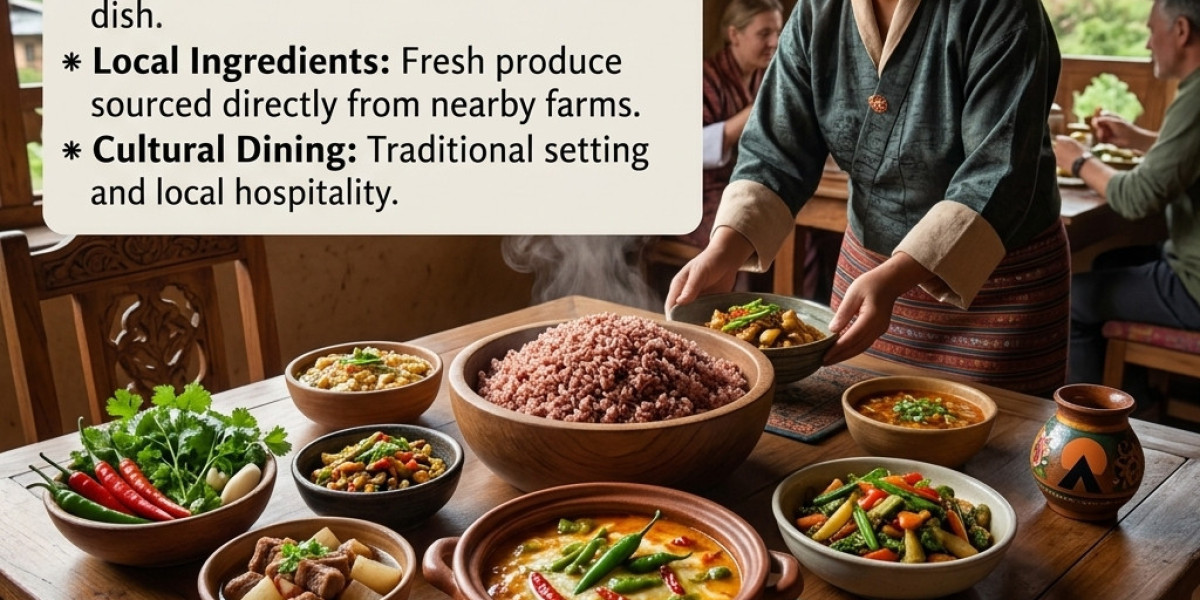
Food is one of the most enjoyable ways to understand a destination's culture, traditions, and everyday lifestyle. For travellers who love discovering regional flavours, choosing a homestay in Bhutan can offer an opportunity to experience traditional meals prepared in local households. Bhutanese cuisine is known for its use of chillies, local cheese, red rice, seasonal vegetables, and regional ingredients. From the famous ema datshi to homemade momos and buckwheat specialities, the country's food culture offers plenty to explore. Staying with a local family can make these experiences more personal, as guests may learn about traditional cooking methods, ingredients, and dining customs. Raahghar encourages travellers to consider homestays when planning a holiday that combines comfortable accommodation with meaningful local food experiences.
1. Why Bhutan Is an Interesting Destination for Food Lovers
Bhutan has a distinctive culinary identity shaped by its geography, climate, agriculture, and cultural traditions. Meals commonly feature rice, vegetables, cheese, chillies, and hearty stews. The ingredients and preparation methods can differ between regions, giving travellers an opportunity to discover a variety of flavours.
Chillies are an important part of Bhutanese cooking and are often treated as a vegetable rather than simply a seasoning. Local cheese, known as datshi, is another familiar ingredient. Red rice is widely enjoyed, while buckwheat and maize feature in the food traditions of particular regions.
The official Bhutan tourism website explains how regional ingredients and household cooking traditions influence the country's cuisine. It also highlights the value of experiencing traditional meals during a visit.
For food enthusiasts, this means that a culinary holiday can involve more than visiting restaurants. It can include tasting home-cooked dishes, exploring local markets, and understanding how food connects with everyday life.
2. How a Homestay Introduces You to Bhutanese Food Culture
A homestay can provide a closer look at local food traditions because guests share a living environment with a Bhutanese household. Depending on the property and the host's arrangements, visitors may have opportunities to enjoy homemade meals, discuss regional recipes, or observe parts of the cooking process.
Some Bhutanese homestays offer guests the chance to help prepare ingredients or participate in simple cooking activities. This can make a meal more memorable because you learn about the ingredients and techniques behind it.
The official Bhutan tourism website describes homestays as a way to experience local food, family routines, and everyday hospitality. It also notes that meals can vary according to the region and household.
Before booking, ask the host whether meals are included, which dishes are usually prepared, and whether guests can participate in cooking. Not every property offers the same dining or cultural activities, so confirming these details is important.
3. Homestay in Bhutan: Discover Traditional Dishes During Your Stay
Choosing a homestay in Bhutan can be especially appealing if you want to taste traditional dishes in a local setting. Here are some popular foods you may encounter during your visit.
Ema Datshi
Ema datshi is one of Bhutan's best-known dishes and is often regarded as the country's national dish. It combines chillies with local cheese to create a rich, spicy preparation commonly served with rice.
If you are unfamiliar with Bhutanese food, ask your host about the spice level before trying it. The intensity can vary depending on the chillies and preparation.
Kewa Datshi
Kewa datshi is prepared with potatoes, cheese, and chillies. It is another popular dish and may be a suitable introduction for guests who want to explore the country's cheese-based cooking.
Phaksha Paa
This traditional preparation features pork cooked with chillies and often includes radish or other vegetables. It is generally served with rice and offers a hearty example of Bhutanese home cooking.
Jasha Maru
Jasha maru is a spicy chicken preparation commonly made with tomatoes and other ingredients. It is often served alongside rice and is worth asking about if you enjoy traditional meat dishes.
Momos
Momos are dumplings that are popular across the Himalayan region. They may contain vegetable, cheese, or meat fillings and are commonly enjoyed as a snack or part of a meal.
These dishes provide a useful introduction to Bhutanese flavours. Recipes and spice levels can differ between households.
4. Homestays in Bhutan: Experience Regional Food Traditions
When comparing homestays in Bhutan, consider the region you want to visit because local cuisine can change from one area to another.
Paro and Thimphu
The western region is a good place to begin exploring familiar Bhutanese dishes such as ema datshi, kewa datshi, red rice, and jasha maru. Paro and Thimphu also offer opportunities to explore restaurants, cafés, and local food markets.
A homestay in this region may allow you to enjoy traditional meals while remaining close to popular cultural attractions.
Punakha
Punakha has its own culinary traditions and is known for regional specialities such as jatsa gondo, a traditional egg preparation. Local ingredients and household recipes make the region interesting for visitors who enjoy discovering food beyond commonly known dishes.
Bumthang
Bumthang is associated with buckwheat-based foods. Visitors may come across khurle pancakes and puta noodles, which reflect the region's agricultural traditions.
Haa Valley
Haa offers distinctive local food experiences, including hoentay, a buckwheat dumpling traditionally associated with the valley. Local cuisine is closely connected with seasonal ingredients and community traditions.
If food is your main interest, ask your host about regional specialities before choosing accommodation. This can help you select a destination that matches your culinary preferences.
5. Best Homestay in Bhutan: Choose According to Your Food Preferences
The best homestay in Bhutan for a food-focused holiday is one that matches your expectations for meals, hospitality, comfort, and cultural interaction.
Some travellers may prefer a property where traditional meals are regularly prepared. Others may want opportunities to learn about ingredients, observe cooking, or explore nearby food markets.
Before making a reservation, consider the following:
- Does the property serve traditional Bhutanese meals?
- Can the host explain which regional dishes are available?
- Are vegetarian meals available?
- Can the spice level be adjusted?
- Are dietary restrictions or allergies accommodated?
- Are meals served at fixed times?
- Can guests participate in cooking activities?
Read recent guest reviews for information about food quality, cleanliness, host communication, and the overall experience.
Raahghar encourages travellers to focus on their personal requirements rather than assuming that every homestay provides identical culinary experiences. A little communication before arrival can make your stay more comfortable.
6. Learn About Local Ingredients and Cooking Methods
One of the most interesting parts of a culinary holiday is understanding how local ingredients become traditional dishes.
Bhutanese households commonly use rice, chillies, cheese, vegetables, and regional grains. Depending on the location, you may also encounter buckwheat, maize, dried meat, and locally produced dairy products.
If your host is comfortable sharing their cooking routine, ask about how ingredients are selected, stored, and prepared. You might learn how chillies are dried, how local cheese is used in stews, or how a particular dish is associated with family gatherings.
Some homestays may allow guests to help with simple preparation tasks. Others may prefer to serve meals without involving visitors in the kitchen. Always respect household arrangements and ask before participating.
The Bhutan Department of Tourism's homestay information describes cooking experiences as one of the activities that can help visitors understand traditional household life.
7. Understand Bhutanese Dining Customs
Food experiences become more meaningful when travellers understand the customs associated with eating and hospitality.
Traditional Bhutanese meals may be shared among family members, with rice and accompanying dishes placed together. Some households follow established routines around meal preparation and serving.
As a guest, be polite, follow the host's guidance, and show appreciation for the food offered. If you have dietary restrictions or cannot eat spicy dishes, explain this before the meal is prepared.
You should also ask before taking photographs of family members, kitchens, or private household spaces. Respecting the host's privacy helps create a comfortable environment.
For travellers interested in culture, these everyday interactions can be just as memorable as visiting famous attractions.
8. Plan Your Culinary Holiday Around Local Experiences
A food-focused holiday does not need to involve eating throughout the day. You can combine traditional meals with cultural sightseeing, village walks, and visits to local markets.
For example, you could spend the morning exploring a local market, enjoy lunch at your homestay, and use the afternoon to visit a nearby cultural attraction. Another day could include a cooking experience, followed by a relaxed evening with your host family.
If you travel between different regions, try to explore their individual culinary traditions rather than expecting the same dishes everywhere.
Keep your itinerary flexible so that you have enough time to enjoy meals without rushing. Check the availability of cooking activities and local experiences in advance, as these depend on the host and location.
9. Prepare for a Comfortable Food Experience with Raahghar
A little preparation can help you make the most of a culinary stay in Bhutan. Before selecting accommodation, identify the dishes you are interested in trying and the regions associated with them.
Contact the host to discuss meal arrangements, dietary requirements, ingredients, and possible cooking activities. If you have a low tolerance for chilli, communicate this clearly instead of assuming every dish can be prepared mildly.
Also check the room facilities, bathroom arrangements, location, transport access, and house rules. A comfortable property can make your food-focused holiday more enjoyable, especially when you plan to spend time exploring local culture.
With Raahghar, travellers can approach accommodation selection by considering both practical requirements and the experiences they hope to enjoy. Choosing a suitable homestay can help you discover Bhutan through its food, hospitality, and everyday traditions.
Conclusion
Homestays can be an excellent option for guests interested in exploring Bhutanese cuisine. They may offer opportunities to enjoy home-cooked meals, learn about traditional ingredients, understand regional recipes, and experience local hospitality.
When comparing homestays in Bhutan, consider the meals available, regional specialities, dietary requirements, cooking opportunities, and host communication. The best homestay in Bhutan is one that suits your food preferences while providing a comfortable setting for your holiday. Whether you want to try ema datshi, discover buckwheat dishes, or learn about local cooking traditions, a thoughtfully planned stay with Raahghar can make your culinary journey more meaningful.
Frequently Asked Questions
1. Are homestay in Bhutan options suitable for guests interested in local cuisine?
Yes. Many local homestays provide opportunities to enjoy traditional home-cooked meals and learn about Bhutanese food culture. Experiences vary by property, so confirm meal arrangements with the host.
2. Which Bhutanese dishes should I try during my homestay?
You can ask about ema datshi, kewa datshi, phaksha paa, jasha maru, momos, and regional specialities such as hoentay.
3. What makes homestays in Bhutan interesting for food lovers?
They can offer a closer look at household cooking, regional ingredients, traditional recipes, and local dining customs.
4. How can I find the best homestay in Bhutan for traditional food?
Look for properties that clearly describe their meal arrangements, traditional dishes, regional food experiences, and ability to accommodate dietary preferences.
5. Can I participate in cooking activities at a Bhutanese homestay?
Some hosts may allow guests to help prepare ingredients or learn simple recipes. Ask about available activities before booking.