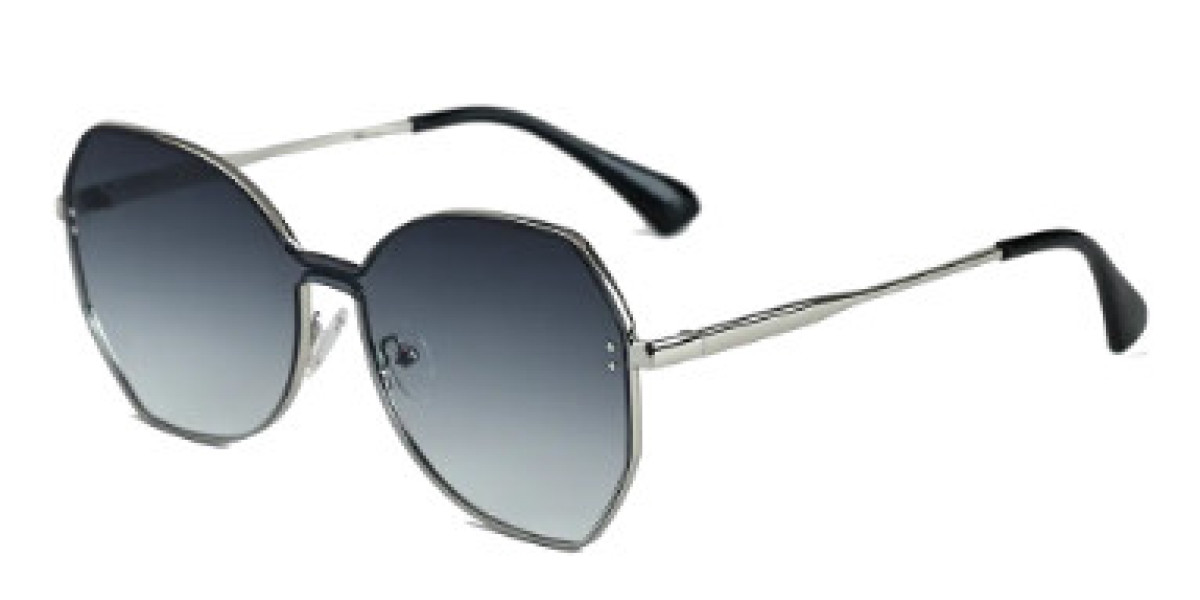

Outdoor eyewear combines functional lens characteristics with comfort, durability, and fashion appeal. For international buyers evaluating Sunglasses 400 UV Polarized, understanding the distinction between ultraviolet protection and polarization is essential. These features serve different purposes, and both should be considered alongside frame design, lens quality, and manufacturing consistency when developing a product collection for outdoor use.
UV400 generally refers to sunglasses designed to block ultraviolet radiation across wavelengths up to approximately 400 nanometers. Buyers should confirm the specific protection claims through appropriate product documentation and testing relevant to their destination markets. Dark lenses should not automatically be assumed to offer stronger UV protection, since lens darkness alone does not establish the level of ultraviolet radiation filtered.
Polarization addresses reflected glare. Light reflected from roads, water, glass, and other surfaces can create uncomfortable visual conditions in bright environments. Polarized lenses are designed to filter certain orientations of light, helping reduce this type of glare. This characteristic can be valuable for driving, boating, fishing, travel, and other outdoor activities, although its suitability depends on the user's needs and environment.
Lens color is another consideration in product development. Gray lenses provide a relatively neutral appearance, while brown, green, and other colors offer different visual and stylistic options. Manufacturers can also develop lenses that complement or contrast with particular frame colors. Buyers should evaluate these aesthetic choices separately from technical performance and avoid treating lens color as proof of UV protection.
Frame construction determines how the lenses are supported and how the sunglasses fit the wearer. Rectangular, square, round, oversized, and sport-inspired silhouettes can all be developed with polarized lens options. The frame must maintain suitable lens alignment while providing an appropriate relationship between the bridge, front width, and temples. Balanced proportions contribute to a more comfortable wearing experience.
Material selection provides additional design flexibility. Synthetic materials can support varied frame shapes and color combinations, while acetate-style materials may offer polished surfaces and distinctive patterns. Metal components can create a more refined appearance, and mixed-material constructions can introduce contrasting textures. The choice depends on the product's intended positioning, design requirements, and manufacturing process.
Comfort should remain central to development. Frame weight, bridge dimensions, temple length, and overall balance can influence stability during extended use. A frame that is too wide, too narrow, or poorly balanced may not provide a suitable fit. Sample evaluation allows buyers to review these characteristics before confirming a larger order and helps identify design adjustments that may be needed.
Manufacturing consistency is particularly important for products with technical lens features. Quality inspection may include lens positioning, frame symmetry, hinge movement, surface finishing, and component assembly. Depending on the product specifications, additional checks may be required to verify the relevant optical performance claims. Clear inspection criteria help manufacturers and buyers share expectations before production begins.
For international distribution, technical documentation and labeling should be reviewed early. Requirements can differ across markets and may address UV protection claims, optical performance, product information, and other characteristics. Importers and distributors should confirm applicable local requirements and obtain the appropriate supporting documentation from their suppliers before placing products on the market.
Private-label programs can provide opportunities to adapt sunglasses to a particular brand identity. Buyers may choose frame colors, lens shades, logo placement, temple details, packaging, and model assortments. Approved samples and clear specifications help maintain consistency between the agreed design and the finished production batch. Coordinating these details early can also reduce avoidable misunderstandings.
Packaging protects the product during storage and transportation while supporting retail presentation. Sunglasses should be secured against scratches, pressure, and unnecessary movement. For branded collections, coordinated cases, cleaning cloths, and boxes may help establish a consistent customer experience. Buyers should evaluate these requirements alongside product selection rather than leaving them until the final production stage.



-
The Benefits of Using Custom Toy Boxes for Your Business
By Sofia Max -
 Valid 1xBet Promo Code: 1XMAX200 – Claim Bonus
By betehiw957
-
 Kako izbrati med originalnimi in kompatibilnimi tonerji
-
Prednosti uporabe poceni tonerjev za domače tiskanje
-
Tonerji za tiskalnike: vodnik po blagovnih znamkah in izbiri
© 2026 Fletcher Connect Social Media
Comment reported successfully.
Post was successfully added to your timeline!
You have reached your limit of 5000 friends!