
Packaging plays an important role in protecting products, organizing transportation, and supporting efficient commercial operations. For companies serving agriculture, construction, logistics, and industrial markets, selecting an experienced PP Woven Bag Factory can influence material consistency, conversion efficiency, product presentation, and long-term supply cooperation. A suitable manufacturing partner should understand not only how woven bags are produced, but also how they perform throughout the customer’s complete distribution process.
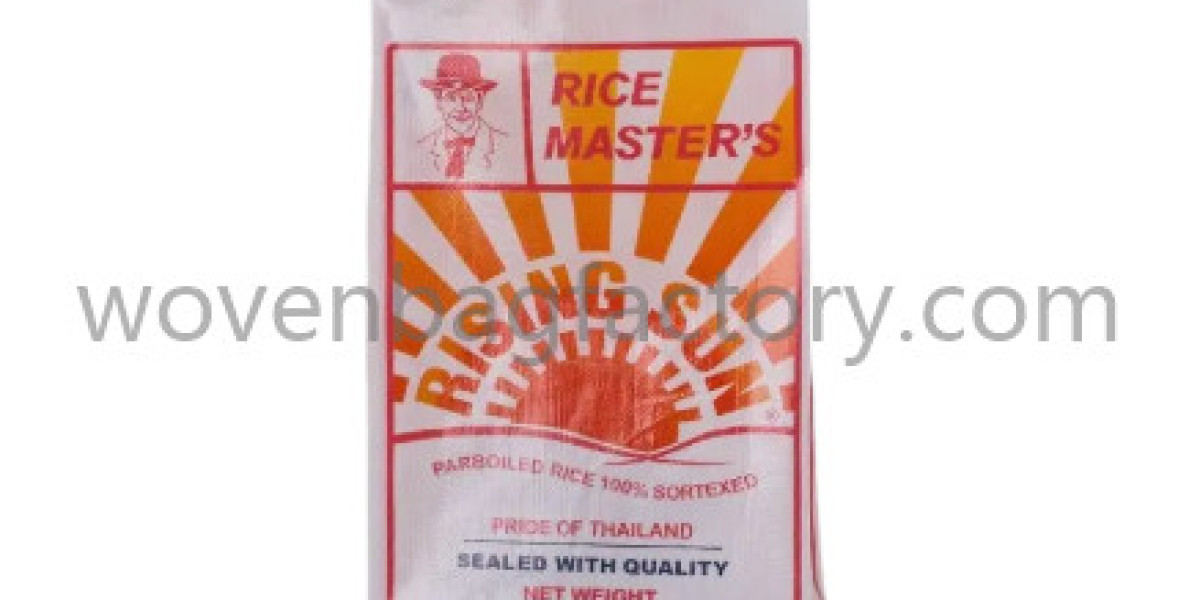
Polypropylene is widely used in woven packaging because it can be processed into strong, flexible tapes and then formed into an interlaced fabric structure. During production, polypropylene resin is transformed into tapes that are woven together to create a stable material. This structure provides useful support for packaging products that may experience lifting, stacking, transportation, and repeated handling. The balance between flexibility and mechanical strength makes woven packaging suitable for a broad range of commercial applications.
The manufacturing process usually involves several connected stages. Polypropylene material is first processed into tapes, which are then woven into fabric. Depending on the intended application, the fabric may be laminated, printed, cut, sewn, or combined with other components. Each stage can influence the final package, so coordination between material preparation and bag conversion is important. Consistent weaving helps create a dependable base, while suitable cutting and sewing processes support practical package construction.
Agricultural packaging is one of the most established application fields for woven bags. Grain, seeds, feed, fertilizer, and related products often need packaging that can support storage and transportation while remaining convenient for workers to handle. Woven polypropylene can provide a useful structure for these purposes. Printing may also help identify product categories, batch information, brands, or handling instructions, which can improve organization across warehouses and distribution channels.
Construction and industrial applications create additional opportunities for woven packaging. Many products in these sectors require practical containment during movement between manufacturers, distributors, and work sites. Packaging may need to support easy loading, clear identification, and routine handling under demanding working conditions. By selecting suitable fabric construction and conversion methods, businesses can develop packaging that aligns with their product type and operational requirements.
Logistics companies also benefit from packaging that supports efficient product movement. Packages may be handled by different workers and transported through several locations before reaching the final customer. Clear printing and recognizable packaging structures can make products easier to identify during sorting, storage, and delivery. This is especially useful for businesses that manage large product categories or operate across multiple distribution points.
Brand presentation should not be separated from functional packaging. A woven bag can serve as a communication surface as well as a protective container. Printed logos, product descriptions, and visual design elements can help businesses present a consistent identity in commercial environments. For international buyers, packaging that looks organized and professional may support customer confidence and make products easier to recognize in competitive markets.
Sustainability is another consideration in modern packaging development. Polypropylene woven products can be designed with material efficiency and recycling considerations in mind. Recycled-content options may also be suitable for selected applications, depending on product requirements and customer expectations. Responsible packaging decisions should consider the complete lifecycle, including raw material sourcing, manufacturing, transportation, usage, collection, and recycling, rather than focusing on one environmental characteristic alone.
The relationship between a buyer and a manufacturer can strongly affect project results. Clear communication about product use, bag construction, printing requirements, lamination, sewing, and quality expectations helps reduce misunderstandings. A supplier with experience across several industries may also be better prepared to discuss practical alternatives when customers need to adjust packaging for different products or markets.
Consistency is particularly important for businesses that rely on repeat orders. Changes in fabric quality, surface condition, or conversion behavior can affect downstream production and customer satisfaction. Professional manufacturing systems, appropriate quality controls, and responsive communication can help create a more predictable supply relationship. This allows buyers to focus on their own customers and operations with greater confidence.
A dependable packaging partner can also support long-term development. As businesses expand into new regions or product categories, their packaging requirements may change. They may need different printing approaches, alternative material combinations, or packaging formats suited to new handling environments. Working with an experienced PP Woven Bag Factory gives companies a practical foundation for exploring these needs while maintaining attention to material performance, manufacturing coordination, and responsible packaging development through HONGYANG at https://www.wovenbagfactory.com/product/kraft-paper-bag/ .