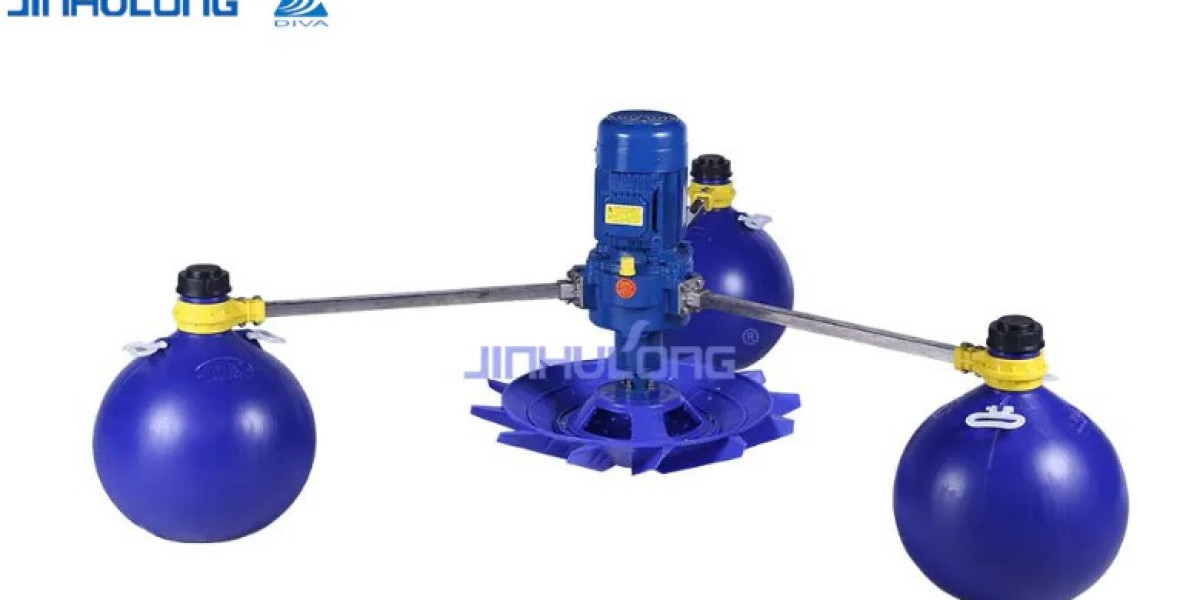

As aquaculture facilities develop toward more flexible production methods, equipment adaptability has become an important consideration for farm operators. A Frequency Conversion Aerator offers an approach to adjusting motor operation according to changing aeration requirements, allowing users to consider water conditions and equipment workload more carefully. When selecting a Frequency Conversion Aerator, buyers should pay attention to motor compatibility, operating frequency, installation arrangements, and pond characteristics. These factors help determine whether an adjustable aeration system is suitable for different fish farming environments and daily production schedules.
Adjustable Operation for Changing Pond Conditions
Aquaculture ponds do not always require the same level of aeration throughout the day. Water temperature, stocking density, feeding activities, and weather conditions may influence oxygen demand.
A frequency conversion system allows motor speed to be adjusted within an appropriate operating range when supported by the equipment design. Instead of maintaining one fixed operating speed, operators can select different settings according to actual requirements.
This flexibility provides another way to manage aeration schedules. During periods of lower demand, an appropriate operating setting may help avoid unnecessary equipment workload. When greater water movement is required, the motor can operate at a suitable higher setting within its rated specifications.
The actual operating strategy should always follow the equipment manufacturer's recommendations and the conditions of the individual pond.
Understanding the Working Principle of Frequency Conversion
Frequency conversion technology changes the electrical supply frequency delivered to a compatible motor, allowing its rotational speed to be controlled.
In an aeration application, motor speed influences the movement of the connected mechanical assembly. Depending on the aerator structure, this can affect impeller rotation, water circulation, and the intensity of surface movement.
However, frequency adjustment requires proper coordination between the motor, controller, transmission components, and mechanical load. Operating outside the recommended frequency range may affect equipment temperature, torque, or service life.
Before purchasing an adjustable aerator, buyers should confirm the controller specifications, motor characteristics, available electrical supply, and permitted operating range. A compatible system is essential for achieving the intended adjustment functions.
ChinaAerator Solutions for Different Farming Requirements
When evaluating aeration equipment from ChinaAerator, purchasers can consider the relationship between pond size, motor configuration, aeration capacity, and frequency adjustment requirements.
Different farming operations may need different equipment arrangements. Intensive fish farming facilities may prioritize adjustable operation for changing production conditions, while smaller ponds may focus on straightforward installation and convenient control.
Project buyers should also consider the number of aerators required and how individual units will be managed. In larger facilities, a coordinated equipment arrangement can help operators organize daily aeration schedules more effectively.
For distributors and engineering contractors, understanding the intended application before selecting a model can make technical communication more accurate. Providing information about pond dimensions, water depth, electrical conditions, and expected operating hours helps suppliers evaluate suitable configurations.
Installation and Control System Considerations
Correct installation is important for obtaining stable performance from frequency-controlled aeration equipment. The motor, controller, electrical connections, and mechanical assembly should all follow the manufacturer's technical instructions.
The control unit should be installed in an appropriate location with suitable protection from moisture, dust, and environmental exposure. Electrical wiring needs to match the equipment requirements, while grounding and protective devices should be arranged according to applicable electrical standards.
Operators should become familiar with frequency settings before starting regular operation. Gradual adjustment within the approved range can help observe how the equipment responds under different working conditions.
It is also useful to keep control settings and operating records. These details can help identify unusual changes and provide useful references when adjusting future aeration schedules.
Maintenance Strategies for Long-Term Equipment Management
A frequency-controlled aerator contains electrical and mechanical components that require regular attention. Maintenance should include checking motor temperature, controller ventilation, cable connections, supporting structures, and rotating assemblies.
Dust accumulation around electrical enclosures should be addressed according to the manufacturer's instructions. Mechanical components should also be inspected for loose fasteners, unusual vibration, and visible wear.
Operators should avoid making frequent adjustments without considering the rated operating range. If the motor produces unusual noise or shows abnormal temperature changes, the equipment should be inspected before continued operation.
For commercial aquaculture businesses, maintenance planning can also include recording operating frequency, service dates, replacement components, and equipment conditions. Such records provide a practical reference for managing several aerators across different ponds.
Choosing the right equipment requires a clear understanding of production requirements rather than simply comparing motor power or product appearance. For fish farm owners, equipment distributors, and aquaculture engineering companies, adjustable aeration technology offers an additional option when planning flexible pond management systems. If you are comparing aeration configurations for a new facility or upgrading existing machinery, visit https://www.chinaaerator.net/ to explore available products and discuss suitable equipment arrangements for your project.