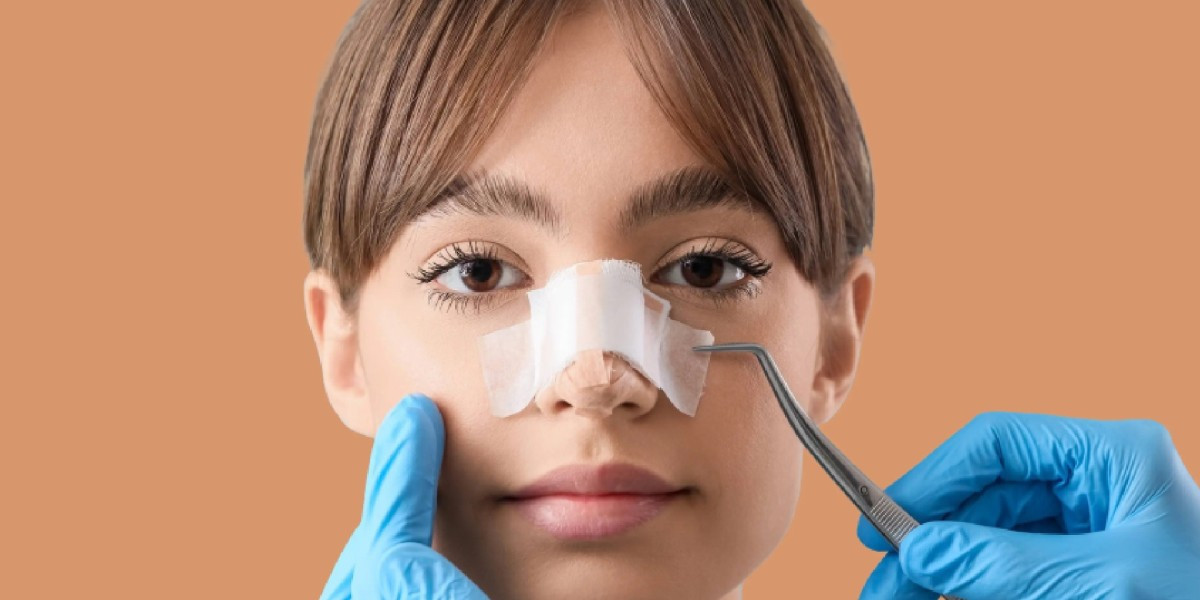

Rhinoplasty is a specialised surgical procedure that changes the shape, size, or proportions of the nose. People consider it for different reasons, including improving facial balance, addressing concerns about the nasal bridge or tip, correcting changes caused by an injury, and, in selected cases, improving certain structural breathing problems. Because the nose is a prominent facial feature and has an important role in breathing, treatment requires careful assessment and individual planning.
Choosing the Best Rhinoplasty Surgeon in Dubai is an important part of this process. Patients should consider relevant qualifications, surgical experience, knowledge of nasal anatomy, communication, and the ability to recommend an approach suited to their needs. A suitable treatment plan should focus on realistic goals, appropriate nasal structure, and patient safety rather than promising an identical result for everyone.
Interest in Rhinoplasty Dubai reflects the demand for different nose reshaping approaches. At Perfect Doctors Clinic, patients can discuss their concerns and learn about possible treatment options. This complete overview explains the purpose of rhinoplasty, available techniques, factors to consider when selecting a surgeon, recovery expectations, and the considerations that may influence treatment costs.
Understanding Rhinoplasty in Dubai and Its Purpose
Rhinoplasty in Dubai refers to nose surgery performed to address aesthetic concerns and, in some cases, selected functional issues. The procedure may involve reshaping cartilage, adjusting bone, refining the nasal tip, or modifying other parts of the nasal framework.
People may consider rhinoplasty because they are concerned about:
- A prominent bump on the nasal bridge.
- A wide, rounded, or drooping nasal tip.
- Nostrils that appear wide or uneven.
- Nasal asymmetry.
- A nose that seems disproportionate to the rest of the face.
- Changes in nasal shape following an injury.
- Certain structural concerns affecting nasal breathing.
The reasons for considering surgery differ from person to person. Some patients want subtle changes, while others may have more complex structural concerns. A consultation helps identify the patient's priorities and determine whether surgery is an appropriate option.
It is also important to distinguish cosmetic rhinoplasty from procedures that primarily address internal nasal obstruction. Changing the external shape of the nose does not automatically correct every breathing problem. Patients with persistent nasal blockage should have the underlying cause assessed before treatment is planned.
Best Rhinoplasty Surgeon in Dubai: What Makes the Choice Important?
Selecting the Best Rhinoplasty Surgeon in Dubai involves more than comparing online photographs or reading promotional descriptions. Rhinoplasty requires a detailed understanding of bone, cartilage, skin, soft tissue, facial proportions, and the way the nose heals after surgery.
The surgeon's role begins with assessing the patient's concerns and anatomy. They should explain which changes may be possible, which limitations apply, and how the proposed technique relates to the patient's goals.
Relevant Qualifications and Training
Patients should review the surgeon's medical qualifications, relevant specialist training, and experience with rhinoplasty. It is reasonable to ask about experience with primary procedures, nasal tip reshaping, bridge modification, and revision surgery where relevant.
Patients should also understand who will perform the procedure and what role other members of the surgical team will have. Clear information about qualifications and responsibilities supports informed decision-making.
Experience With Different Nasal Structures
Every nose has its own structural characteristics. Skin thickness, cartilage strength, bridge shape, tip support, and existing asymmetry can influence surgical planning.
A surgeon should assess these features before recommending a technique. A method suitable for one patient may not be appropriate for someone with a different nasal structure or treatment objective.
Communication and Patient Education
A useful consultation should allow patients to explain their concerns and ask questions. The surgeon should describe the proposed procedure in understandable language and discuss its benefits, limitations, and potential risks.
Patients should feel comfortable taking time to consider the information rather than feeling pressured to make an immediate decision.
Best rhinoplasty surgeon in Dubai: Essential Factors to Evaluate
The phrase Best rhinoplasty surgeons in Dubai is often used when researching nose surgery, but patients should make their decision based on relevant evidence and individual consultation.
Consider the following factors before selecting a specialist:
- Qualifications: Check relevant medical qualifications and specialist training.
- Procedure experience: Ask about experience with the type of rhinoplasty being considered.
- Anatomical assessment: Confirm that the surgeon evaluates the nasal structure and facial proportions.
- Treatment explanation: Make sure the recommended technique and its purpose are clearly explained.
- Realistic expectations: Discuss what can and cannot be achieved.
- Safety arrangements: Understand the surgical facility, anaesthesia, and relevant preparation.
- Aftercare: Ask about follow-up appointments and support during recovery.
The decision should be based on the quality of assessment and care rather than a title or advertising claim alone.
Rhinoplasty procedures in Dubai: Exploring the Main Surgical Techniques
Different Rhinoplasty procedures in Dubai may be considered depending on the patient's anatomy, the extent of reshaping required, and the surgeon's assessment. The main approaches include open and closed rhinoplasty, while other procedures may focus on particular nasal features.
Open Rhinoplasty
Open rhinoplasty involves incisions inside the nose and a small incision across the columella, the tissue between the nostrils. This allows the surgeon to lift the nasal skin and view the underlying structures more directly.
It may be considered when detailed adjustments are required, particularly in cases involving complex nasal tip reshaping or structural changes.
Closed Rhinoplasty
Closed rhinoplasty uses incisions placed inside the nostrils. The surgeon works through these openings to make selected adjustments to the nasal framework.
This approach may be suitable when the patient's treatment goals can be achieved through internal access. The choice between open and closed techniques depends on the required changes and the surgeon's assessment.
Nasal Tip Rhinoplasty
Tip rhinoplasty focuses on reshaping the lower part of the nose. Patients may consider it when the tip appears too wide, rounded, asymmetrical, or drooping.
The surgeon evaluates cartilage support and skin thickness before deciding how to refine the tip. Maintaining structural support is important when planning changes in this area.
Revision Rhinoplasty
Revision rhinoplasty is performed when a patient has previously undergone nose surgery and wishes to address a remaining concern or complication.
It can be more complex than primary rhinoplasty because previous surgery and healing may have changed the nasal framework. A detailed assessment is essential to understand the available tissue and determine what changes may be possible.
Rhinoplasty treatment options: Finding an Approach That Matches Your Goals
Understanding Rhinoplasty treatment options helps patients take an active role in planning their care. Treatment may focus on the bridge, tip, nostrils, or overall nasal proportions. Some patients may also need an assessment of internal structures if they report breathing difficulties.
For example, a patient concerned about a prominent nasal bridge may require a different approach from someone whose main concern is a rounded tip. A person with previous nasal surgery may need more detailed planning than someone considering a first procedure.
During consultation, patients should explain which features they would like to change and whether they have concerns about nasal function. The surgeon can then discuss the techniques that may be suitable.
Digital simulations or reference photographs may help communicate aesthetic preferences. However, these tools cannot guarantee an exact surgical outcome. The final appearance depends on the patient's anatomy, the procedure performed, and the healing response.
A carefully planned result should complement the patient's facial features rather than attempt to reproduce another person's nose.
Rhinoplasty clinic in Dubai: How to Assess the Treatment Environment
Choosing a suitable Rhinoplasty clinic in Dubai involves reviewing more than the consultation experience. Patients should understand the complete treatment pathway, including assessment, surgical arrangements, anaesthesia, postoperative instructions, and follow-up care.
Before proceeding, consider asking:
- Who will perform the surgery?
- What qualifications and experience does the surgeon have?
- Where will the procedure take place?
- What anaesthesia arrangements are planned?
- What assessments are required before surgery?
- What support is available after the procedure?
- How are postoperative concerns handled?
- What services are included in the treatment estimate?
At Perfect Doctors Clinic, patients can discuss their concerns and ask about the consultation and treatment-planning process. Understanding the proposed arrangements helps patients make a more informed decision.
A suitable treatment environment should encourage questions, explain relevant information clearly, and give patients enough time to consider their options.
Dr perfect celebrity: The Role of Individual Rhinoplasty Planning
Patients researching Dr perfect celebrity may wish to learn about the importance of individual assessment when considering rhinoplasty.
A personalised consultation should cover the patient's aesthetic goals, medical history, previous nasal procedures, and any breathing concerns. The surgeon should assess the nose from different angles and consider how its structure relates to the rest of the face.
Patients should discuss:
- Which nasal features they would like to improve.
- Whether the desired changes are realistic.
- Which surgical technique may be appropriate.
- Whether the procedure could affect nasal breathing.
- What risks and limitations should be understood.
- How long recovery may take.
- What follow-up care will be required.
The aim is to develop a plan based on the patient's anatomy and expectations. Rhinoplasty should not be approached as a standard procedure with the same result for every individual.
Rhinoplasty before and after: Understanding What Photographs Can Show
Rhinoplasty before and after photographs can help patients understand the types of changes that may be possible. They can also provide a starting point for discussing aesthetic preferences during consultation.
However, photographs should be evaluated carefully. Two patients may have different skin thickness, cartilage strength, nasal proportions, and healing characteristics. These differences can influence the final appearance.
When reviewing photographs, patients should consider:
- Whether the original nasal structure is similar to their own.
- Whether the images show comparable angles and lighting.
- Whether the changes appear balanced with the person's facial features.
- Whether sufficient healing time has passed.
- Whether the photographs represent the type of procedure being considered.
Before-and-after images should be treated as examples rather than promises. A surgeon should explain which changes may be achievable for the individual patient.
Rhinoplasty recovery: What to Expect During Healing
Rhinoplasty recovery is gradual, and the experience varies according to the procedure, the amount of reshaping, and individual healing characteristics.
During the initial recovery period, patients may experience swelling, bruising, nasal congestion, and mild discomfort. A splint may be used to protect and support the nose, depending on the surgical approach.
General Recovery Guidance
Patients are usually advised to follow their treating team's instructions. General guidance may include:
- Resting and limiting strenuous activity during the initial healing period.
- Keeping the head elevated if recommended.
- Avoiding pressure or accidental impact to the nose.
- Taking prescribed medication as directed.
- Avoiding nose blowing until permitted.
- Following instructions for cleaning and wound care.
- Attending scheduled follow-up appointments.
- Returning to exercise only when cleared by the medical team.
Some swelling may remain for several months, particularly around the nasal tip. The nose gradually changes as the tissues heal, so patients should avoid judging the final result too early.
Significant bleeding, worsening pain, fever, or other unexpected symptoms should be reported to the treating medical team.
Rhinoplasty results: Factors That Influence the Final Appearance
Rhinoplasty results depend on several factors, including the patient's original anatomy, surgical technique, skin characteristics, and healing response. The desired outcome should be discussed before surgery so that the patient understands what is realistic.
Facial Balance
The nose should complement the patient's other facial features. A change that looks suitable on one face may not produce the same effect on another.
Skin and Tissue Characteristics
Skin thickness and tissue behaviour can influence how clearly the underlying nasal structure becomes visible after healing. These factors should be considered when planning changes to the nasal tip and bridge.
Structural Support
The nasal framework supports the shape of the nose. Surgical planning should consider how to maintain appropriate support while making the desired adjustments.
Healing and Aftercare
The nose continues to heal after the initial recovery period. Following postoperative instructions and attending follow-up appointments are important parts of the process.
No surgeon can guarantee perfect symmetry or a specific result. Patients should understand that natural facial differences and individual healing responses remain important.
Rhinoplasty cost in Dubai: Understanding the Factors That Affect Price
The Rhinoplasty cost in Dubai varies according to the patient's needs and the complexity of the proposed procedure. A primary rhinoplasty involving limited reshaping may require different resources from a complex revision operation.
Factors that may influence the price include:
- The type and extent of surgery.
- The surgical technique required.
- The surgeon's experience and expertise.
- Anaesthesia requirements.
- Surgical facility arrangements.
- Preoperative assessments.
- Postoperative appointments and care.
Patients should request a personalised estimate after consultation. It is helpful to ask what the quoted amount includes and whether any additional services may involve separate charges.
Cost is an important part of treatment planning, but it should not be the only consideration. Patients should also evaluate qualifications, surgical arrangements, the proposed technique, and the availability of follow-up care.
Rhinoplasty in Dubai: Preparing for Your First Consultation
A consultation gives patients the opportunity to understand the procedure and discuss whether it is appropriate for their needs. Preparing questions in advance can make the appointment more productive.
Before attending, patients may wish to write down:
- The nasal features they would like to address.
- Any history of nasal injury or previous surgery.
- Breathing difficulties or persistent congestion.
- Relevant medical conditions and allergies.
- Current medications and supplements.
- Their expectations for the final appearance.
During the appointment, ask about the recommended technique, possible risks, expected recovery, and treatment costs. Patients should also clarify whether their goals can be achieved through rhinoplasty or whether another approach may be more appropriate.
A good consultation should provide balanced information and allow patients time to consider the recommendations.
Best doctors in dubai: Making a Well-Informed Decision
Researching the Best doctors in dubai can help patients begin comparing treatment options. However, online information should be only one part of the decision-making process.
A personal assessment is necessary to determine whether surgery is appropriate and which technique may be suitable. Patients should look for clear explanations of qualifications, relevant experience, treatment planning, safety arrangements, and postoperative care.
It is also important to choose a specialist who discusses limitations as openly as potential benefits. Patients should not feel pressured by promotional promises or limited-time offers.
An informed decision is based on medical suitability, realistic expectations, and confidence in the proposed treatment process.
Frequently Asked Questions About Rhinoplasty
1. What is rhinoplasty?
Rhinoplasty is a surgical procedure that reshapes the nose to address aesthetic concerns and, in selected cases, certain structural or functional problems.
2. Who may be suitable for Rhinoplasty in Dubai?
Suitability depends on the patient's health, nasal anatomy, medical history, and expectations. A specialist must assess these factors before recommending surgery.
3. How can I choose the Best Rhinoplasty Surgeons in Dubai?
Review relevant qualifications, surgical experience, communication, treatment planning, safety arrangements, and postoperative support before making a decision.
4. What is the difference between open and closed rhinoplasty?
Open rhinoplasty includes a small incision across the columella to provide greater visibility of nasal structures. Closed rhinoplasty uses incisions inside the nostrils.
5. How long does Rhinoplasty recovery take?
Initial recovery generally takes a few weeks, while swelling may continue to settle for several months. The timeline varies between individuals.
6. Are Rhinoplasty before and after results guaranteed?
No. Photographs show examples of possible changes, but individual results depend on anatomy, surgical factors, and healing.
7. Can rhinoplasty improve breathing?
It may help when a structural nasal problem contributing to obstruction is addressed. However, not all breathing difficulties are caused by nasal shape.
8. What affects Rhinoplasty cost in Dubai?
The price may depend on the procedure's complexity, surgical technique, anaesthesia, facility arrangements, and postoperative care.
9. When will I see the final Rhinoplasty results?
Some changes may become visible as initial swelling decreases, but the nose continues to heal over several months. Final refinement takes time.
10. What should I ask during a rhinoplasty consultation?
Ask about qualifications, relevant experience, recommended technique, realistic outcomes, possible risks, recovery requirements, treatment costs, and follow-up care.
Conclusion
Rhinoplasty involves careful consideration of nasal anatomy, facial proportions, surgical techniques, recovery, and individual expectations. Choosing an appropriate specialist is an important part of making the treatment journey informed and well planned.
Finding the Best Rhinoplasty Surgeon in Dubai should involve reviewing relevant qualifications, understanding the proposed procedure, and discussing realistic outcomes. Whether researching Rhinoplasty Dubai, comparing Rhinoplasty treatment options, or learning about the Rhinoplasty cost in Dubai, patients should prioritise medical suitability, clear communication, and appropriate follow-up care.
At Perfect Doctors Clinic, patients can discuss their concerns and explore possible approaches to nasal reshaping. Taking time to understand the procedure, its limitations, and the recovery process can help individuals make considered decisions about their treatment.