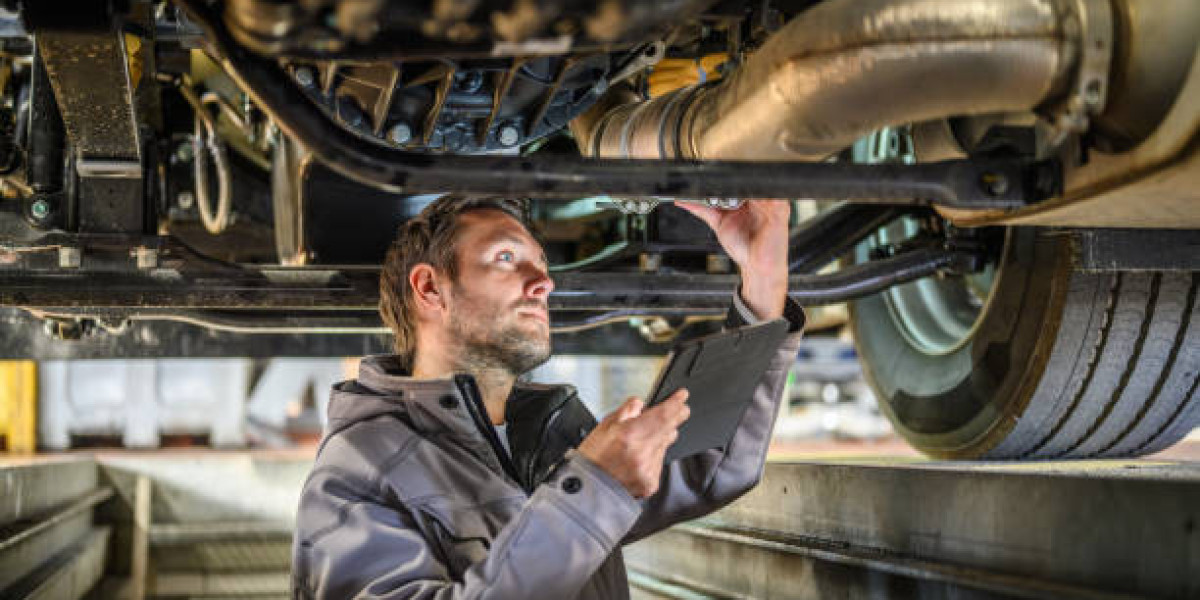

Commercial trucks' braking system is just as important as their engine. It needs to operate well because of the heavy loads it carries on the streets and highways, especially when driving downhill. Without good brakes, drivers could find themselves having trouble controlling their vehicle, resulting in delays in deliveries and costly repairs in many cases. Hence, routine inspections and truck brake repair services across Atlanta, GA should always be included in a proper maintenance program. Knowledge of how parts of an air brake system work makes it easier to detect any potential issues.
How Does a Truck Air Brake System Work?
Most large commercial trucks use air brakes. Air brakes make use of air pressure to apply the force required for slowing and stopping heavy trucks.
Upon depressing the brake pedal, the brake pressure is applied throughout the entire system, which activates the wheel brakes. All the parts of the system are connected, and each of them should be functioning properly for the truck to be able to stop as required.
Malfunctioning of any one of the components may hinder proper braking of the truck. For instance, air leaks will reduce the pressure, and worn brake linings may hinder the braking of the vehicle.
Key Components of a Truck Air Brake System
1. Air Compressor
The air compressor provides the air required by the braking system. It normally operates through the power drawn from the truck’s engine and aids in maintaining pressure that is needed for proper functioning of the brakes.
In case the compressor fails to create or maintain sufficient pressure, the truck may end up taking longer time to get prepared for use. Any abnormal sounds or failure to create pressure need to be evaluated by an expert.
2. Air Storage Tanks
Air tanks contain the air that is being pressurized in order for the brake system to utilize its air. Air tanks are there to ensure a ready supply of air whenever a driver brakes.
The air tank might get moisture because of the cooling of the air, and when that moisture is not taken care of by the air drying system, then there will be possible corrosion or freezing of pipes during freezing temperatures. Moisture and oil contamination will also impact other brake air components.
A driver or mechanic needs to drain the air tanks and check the whole system according to the manual. Air tank automatic drains and air dryers should also be checked.
3. Brake Pedal and Control Valves
The brake pedal controls the amount of pressure on the brakes. As the pedal is pressed, the control valves send air to the necessary sections of the braking system.
Valves that stick, connections that are damaged, and air leaks can have an impact on the braking system’s reaction time. Drivers should alert the company to any abnormalities in the brake pedal or in braking response time.
4. Brake Chambers
Brake chambers convert compressed air pressure into mechanical movement. This movement helps apply the brakes at the wheels.
A damaged chamber or leaking diaphragm can reduce braking performance. Some heavy-duty trucks also use spring brake chambers, which apply the parking brakes and provide emergency braking functions when system pressure drops.
Spring brakes contain powerful springs and can be dangerous to service without the correct training and equipment. Repairs should be handled by qualified technicians who understand the system's safety requirements.
5. Brake Shoes, Linings, and Drums
At the wheels, air pressure activates the mechanical parts that create friction and slow the truck. In many heavy-duty trucks, brake shoes press friction linings against rotating brake drums.
Over time, linings wear down, and drums can develop damage or wear beyond their permitted limits. Excessive wear, contamination, or incorrect adjustment can reduce braking performance and increase stopping distances.
Regular inspections help identify worn parts before they become a safety concern. Replacement components and adjustments must meet the vehicle manufacturer's specifications and applicable safety requirements.
6. Air Lines, Hoses, and Fittings
Air lines and hoses carry compressed air between the system's main components. They must remain in good condition to maintain proper pressure and allow the brakes to respond as expected.
Cracked hoses, loose fittings, worn connections, and damaged lines can cause air leaks. A small leak might seem harmless at first, but it can force the compressor to work harder and make it difficult to maintain the required pressure.
During routine inspections, drivers should listen for unusual hissing sounds and look for visible damage to accessible lines. Any suspected leak should be checked by a qualified technician using the correct repair methods. Temporary fixes or unsuitable fittings can create further safety risks.
Maintenance Habits That Help Prevent Brake Problems
A consistent maintenance routine helps fleet managers catch problems before they lead to breakdowns or unsafe driving conditions. Drivers and maintenance teams should focus on a few important habits:
● Check air pressure: Watch the pressure gauges and make sure the system builds and maintains pressure according to the manufacturer's specifications.
● Inspect for leaks: Check accessible air lines, hoses, connections, and brake chambers for signs of damage or escaping air.
● Monitor warning signals: Never ignore low-air pressure lights, buzzers, or unusual changes in brake response.
● Inspect brake wear: Have brake linings, drums, slack adjusters, and other related components checked at the recommended intervals.
● Keep service records: Record inspections, repairs, and recurring problems to help identify patterns across the fleet.
These checks should be part of a planned maintenance schedule, not something done only when a truck develops a problem. Drivers should also complete required pre-trip inspections and report defects before taking a vehicle on the road.
If a low-air warning activates while driving, the driver should safely stop and park the truck as soon as possible. The vehicle should not return to service until the issue has been addressed and the braking system is operating correctly.
When Should You Arrange Professional Brake Repair?
Some warning signs call for immediate attention. These include slow pressure buildup, repeated air loss, unusual braking noises, reduced stopping ability, pulling to one side, and visible damage to brake components.
Continuing to operate a truck with a suspected brake defect can put the driver, other road users, and the business at risk. It can also turn a manageable repair into a more expensive problem. Professional inspection helps identify the actual cause and determine which components need repair or replacement.
CS Truck & Trailer provides commercial truck and trailer repair services to help operators address vehicle problems and manage downtime. When brake issues arise during a busy workweek, timely service can help fleet managers avoid unnecessary delays and get vehicles back into operation when they are safe to drive.
For businesses that need truck brake repair in Atlanta GA, arranging an inspection at the first sign of trouble is a practical way to protect equipment, drivers, and delivery schedules.
Keep Your Fleet Ready for the Road
A truck's air brake system depends on several components working together, from the compressor and storage tanks to the air lines, brake chambers, and friction parts at the wheels. Neglecting even one of these components can affect braking performance and increase operating risks.
For owner-operators and fleet managers, regular inspections, timely repairs, and accurate maintenance records can help reduce unexpected downtime and support safer operations. When a warning sign appears, addressing it early is usually better than waiting for a roadside breakdown. Working with CS Truck & Trailer for dependable maintenance and truck brake repair services across Atlanta, GA can help keep your commercial vehicles in better working condition and your business moving forward.