
Creating a Workplace That Supports Daily Productivity
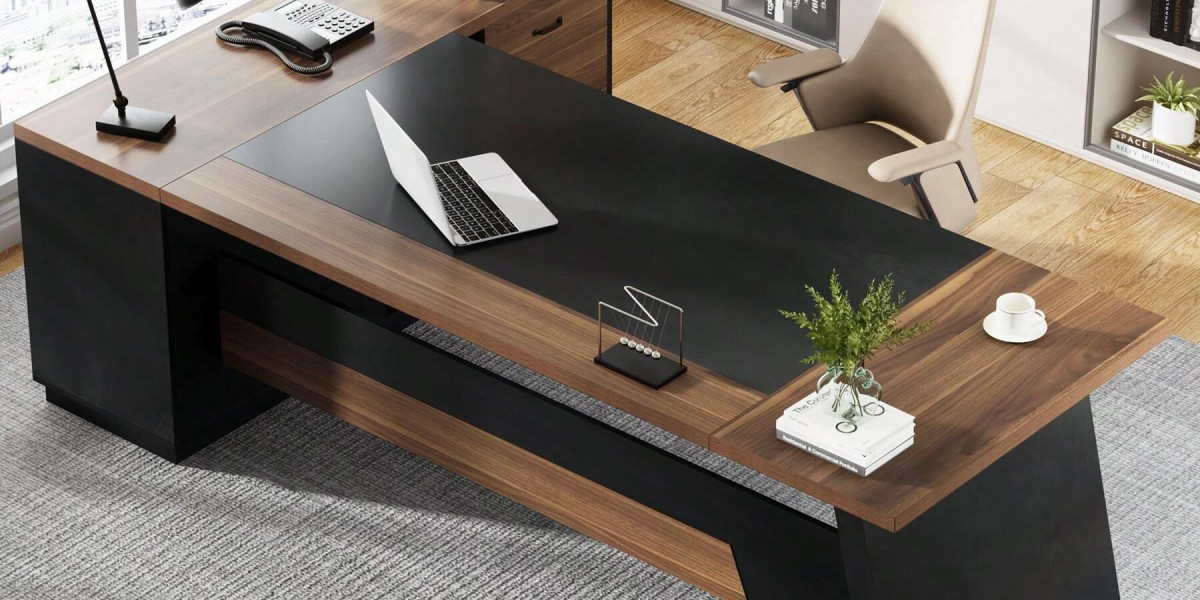
A professional office should provide employees with a comfortable environment where they can focus on their responsibilities, organize essential materials, and complete tasks efficiently. Furniture contributes significantly to this experience because it determines how available space is used and how easily employees can access the equipment they need. From small businesses to established corporate organizations, every workplace benefits from furniture that combines practical features with an appropriate design. A carefully selected Office Table provides a dedicated surface for computer work, paperwork, planning, and communication. Its dimensions, construction, and storage features should match the activities performed throughout the working day. Businesses should also consider how individual workstations fit into the overall office layout, including meeting areas, storage units, reception spaces, and walking routes. In the Philippines, companies operating in Manila and Quezon City may need to balance growing business requirements with the limitations of their available office space. Choosing furniture after evaluating these factors can help create an organized environment that supports daily operations and maintains a professional appearance.
Understanding the Different Types of Office Desks
Office desks are available in several styles, each designed to support particular working requirements. Executive desks often feature wider surfaces and additional storage, making them suitable for managers who handle documents, attend meetings, and use multiple devices. Standard rectangular desks are commonly used in administrative departments because they can fit into different layouts and are relatively easy to arrange in rows. L-shaped desks provide additional working space and can help employees separate computer tasks from paperwork. Compact desks may be more suitable for home offices, small commercial spaces, and startups with limited floor areas. Collaborative workstations allow teams to share a larger surface or work within a coordinated arrangement. Reception desks serve a different purpose because they need to provide a suitable area for welcoming visitors and managing inquiries. When comparing these designs, businesses should consider the intended users, equipment requirements, storage needs, and available space. A suitable desk should support the work being performed rather than introduce unnecessary features. Understanding these differences makes it easier to select furniture that meets practical needs and contributes to an organized workplace.
Selecting a Design That Matches Your Office Interior
Furniture design can influence the overall atmosphere of a workplace and help communicate a company's professional identity. Modern interiors often feature clean lines, simple shapes, and coordinated colors that create a balanced appearance. Natural wood finishes can introduce warmth, while darker surfaces may suit executive offices and formal meeting rooms. White and neutral-colored desks can complement bright interiors and work well with a variety of chairs and storage cabinets. Metal frames paired with wood-look surfaces can provide a contemporary appearance without requiring elaborate decorative details. Businesses should consider the existing flooring, wall colors, lighting, and furniture before choosing a particular finish. Maintaining a consistent design across departments can make the workplace feel more organized, although different rooms may require different furniture styles. For example, an executive office may use a larger desk, while a shared department may benefit from simple rectangular workstations. The most suitable design balances appearance with functionality. A desk should provide a stable working surface, enough room for necessary equipment, and a construction quality appropriate for everyday use. By prioritizing these features, businesses can create interiors that look professional while remaining practical.
Choosing the Correct Dimensions for Comfortable Working
Desk dimensions affect employee comfort, storage capacity, and the amount of free space available in an office. A small surface may become inconvenient when employees need to accommodate monitors, keyboards, documents, and accessories simultaneously. A larger design can offer more flexibility but may make a compact room difficult to navigate. Businesses should measure the intended installation area before purchasing furniture and consider the position of doors, windows, electrical outlets, and existing cabinets. It is also important to measure the space needed for chairs and ensure that employees can move around their workstations without unnecessary obstacles. Employees who use desktop computers may need sufficient desk depth for screens and keyboards, while workers who frequently handle paperwork may prefer additional width. Offices with limited floor space can consider corner desks or compact rectangular designs. Larger departments may benefit from consistent workstation dimensions that simplify furniture placement and create a coordinated layout. Businesses expecting future expansion should also consider whether the furniture arrangement can accommodate additional employees. Proper planning helps prevent overcrowding and ensures that every workstation provides enough room for its intended activities.
Comparing Materials for Everyday Office Use
The materials used in office furniture influence its appearance, durability, maintenance requirements, and cost. Solid wood offers a natural finish and can complement traditional or executive interiors. Engineered wood is widely used in commercial furniture because it is available in various finishes and price ranges. Its durability depends on board quality, surface protection, edge finishing, and construction methods. Laminate surfaces are another practical option for offices because they are available in many colors and patterns and are generally easy to clean. Metal frames can provide structural support and suit contemporary workplace designs. Glass surfaces may create a lighter visual appearance in selected meeting or executive spaces, although they often require more frequent cleaning. When evaluating a desk, inspect the strength of its joints, the stability of its legs, the quality of its hardware, and the finish around its edges. Check that drawers open smoothly and that the tabletop remains stable during normal use. Businesses should also ask suppliers about warranty terms, cleaning recommendations, and replacement components. In the Philippines, where humid conditions can affect certain materials, protecting furniture from prolonged moisture exposure is particularly important. Selecting appropriate materials helps businesses match their furniture to the demands of their working environment.
Making Employee Comfort a Purchasing Priority
Comfortable workstations can help employees organize their equipment and maintain a suitable working posture. Desk height should work well with the chair, keyboard, and monitor so that employees can complete tasks without repeatedly adjusting their position. The working surface should provide enough room for essential equipment while allowing the arms to rest comfortably during computer use. Employees also need sufficient legroom beneath the desk to sit naturally and change positions when necessary. Adjustable chairs can accommodate different body sizes, while footrests may help employees whose feet do not rest comfortably on the floor. Monitor placement should support a comfortable viewing position and reduce the need for repeated neck bending. Lighting is another consideration because reflections and glare can make screens difficult to view. Businesses should also encourage employees to take movement breaks throughout the day, particularly when their work involves prolonged sitting. Shared workstations may require adjustable equipment to accommodate different users. Although furniture alone cannot guarantee an ergonomic workplace, careful planning can help create a more comfortable environment. Considering these details before purchasing desks can also reduce the likelihood of discovering that a workstation is unsuitable after installation.
Improving Organization With Practical Storage Features
A well-organized workstation makes it easier for employees to locate important materials and maintain a clean working environment. Drawers can store stationery, notebooks, and frequently used documents, while filing cabinets provide space for records that need to remain accessible. Open shelving may be suitable for reference materials, office supplies, and shared resources. Mobile pedestals offer flexibility because they can be moved when furniture arrangements change. Cable management features are also useful for offices that rely on computers, monitors, printers, and charging equipment. Cable trays and clips can reduce visible wiring and help keep the area beneath desks clear. However, storage should be selected according to actual requirements rather than added unnecessarily. Too many drawers or cabinets can restrict legroom and make the workstation feel crowded. Businesses should identify which items employees use regularly and which can be stored in shared areas. In smaller offices, vertical shelving can provide additional storage without occupying much floor space. Clear storage arrangements are particularly helpful in shared workspaces, where employees need consistent places for equipment and documents. Combining suitable furniture with simple organization practices can improve accessibility and make daily tasks easier to manage.
Planning Furniture Purchases for Manila and Quezon City Offices
Businesses in Manila and Quezon City may have different furniture requirements depending on their industry, building layout, workforce, and available budget. Small businesses may prioritize compact desks that allow room for additional workstations, while larger organizations may need coordinated furniture for departments, conference rooms, and reception areas. Schools, clinics, government offices, and professional service providers may also require layouts that accommodate particular workplace activities. Before contacting suppliers, businesses should establish how many desks are needed and measure the areas where the furniture will be installed. Large furniture pieces should be checked against building entrances, corridors, and elevators to prevent delivery difficulties. It is also important to confirm delivery schedules, assembly requirements, and any additional installation charges. Ask suppliers for product dimensions, material specifications, warranty coverage, and maintenance instructions. If showroom models are available, inspecting them can help buyers evaluate stability, construction, and finish quality. Businesses ordering several items should ensure that the selected products fit together within the planned layout. Delivery and installation costs should be included in the purchasing budget. Taking these steps helps reduce avoidable expenses and makes it easier to coordinate the furniture installation process.
Managing Furniture Budgets Without Sacrificing Practicality
An effective furniture budget considers the initial purchase price, expected usage, maintenance needs, and potential replacement expenses. A low-cost desk may be appropriate for a temporary workspace, while furniture used throughout the day may require stronger construction and more durable materials. Businesses should compare products according to their specifications rather than relying on price alone. Relevant details include tabletop material, frame stability, dimensions, storage features, finishing, and warranty coverage. It is also useful to consider how the business may change in the coming years. Growing companies may benefit from modular furniture that can be rearranged when new employees join the team. Offices with established layouts may prefer coordinated workstations that maintain a consistent appearance. When preparing a budget, include transportation, assembly, accessories, and possible maintenance costs. Requesting quotations from several suppliers can help decision-makers compare similar products and understand the available options. Businesses purchasing multiple desks may also ask about bulk pricing and delivery arrangements. A careful comparison allows companies to balance affordability, functionality, and expected service life. The objective is to purchase furniture that meets actual business needs rather than paying for unnecessary features or choosing products that may not withstand regular use.
Maintaining Furniture to Extend Its Useful Life
Regular maintenance helps office furniture remain clean, stable, and suitable for daily work. Clean surfaces according to the manufacturer's recommendations and avoid using products that may damage the finish. Water should not be left on wooden or engineered-wood surfaces, and spills should be wiped away promptly. Desk mats can protect frequently used areas from scratches, while suitable furniture pads may help prevent damage when items are moved. Businesses should periodically inspect screws, joints, drawer handles, and other fittings to identify loose components. Heavy equipment should be placed according to the furniture's recommended weight limits. In humid environments, preventing prolonged moisture exposure can help protect materials and finishes. Employees should avoid dragging heavy devices across delicate surfaces and should keep cables organized to reduce tangling and accidental pulling. A simple cleaning and inspection routine can help businesses identify small problems before they become more expensive to address. Furniture that receives appropriate care is more likely to retain its appearance and remain useful throughout its intended service life. Consistent maintenance also supports a professional workplace by keeping shared areas and individual workstations presentable.
Conclusion
Choosing suitable office furniture requires careful consideration of dimensions, materials, employee comfort, storage needs, and budget. Businesses should evaluate how their teams work and how each workstation fits into the overall office layout before making purchasing decisions. Comparing product specifications and planning delivery requirements can help prevent avoidable mistakes, while regular maintenance supports long-term usability. Companies in Manila, Quezon City, and other parts of the Philippines can benefit from selecting furniture that suits their working environment and accommodates future changes. Exploring the available options through Modern office table designs can help businesses identify suitable styles for different professional settings. Ultimately, well-chosen furniture should provide practical working surfaces, support organized daily activities, and contribute to an office environment that remains functional, comfortable, and professional.