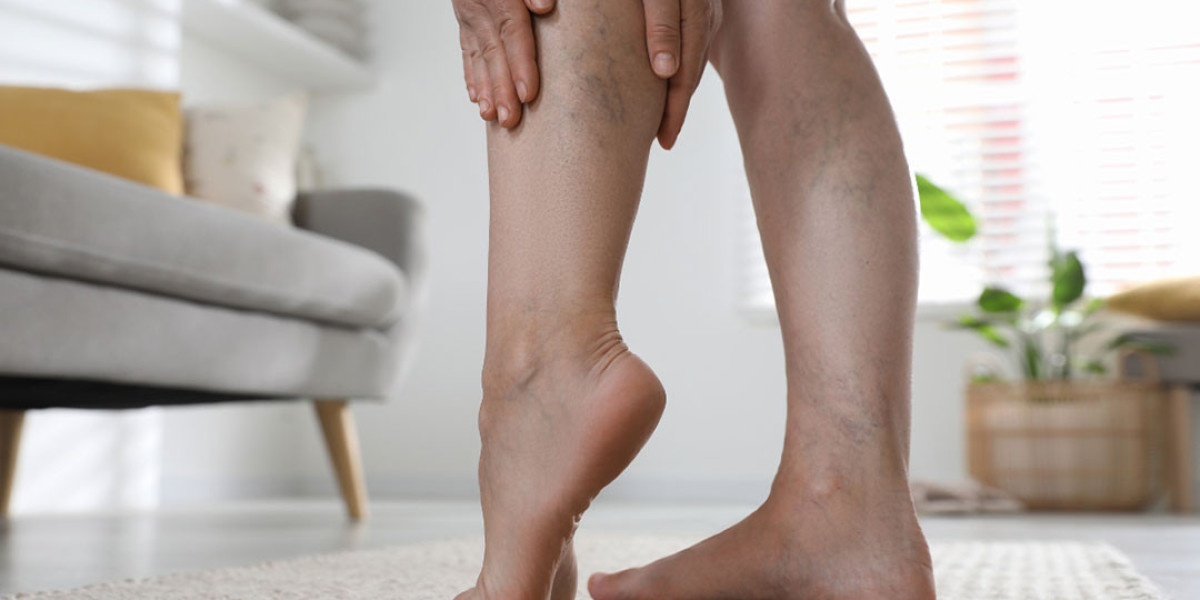

Spider veins are small, visible blood vessels that appear close to the surface of the skin. They often develop on the legs and may look like fine red, purple, or blue lines arranged in branching patterns. Although spider veins are common, their appearance can make some people feel less confident about showing their legs.
Modern aesthetic treatments offer different options for improving the appearance of visible spider veins. The most suitable approach depends on the size, location, and pattern of the veins, as well as the individual's skin and circulation.
Spider Veins In Manchester is an important consideration for individuals looking to achieve clearer-looking legs through personalised vein care. Understanding the available treatment options, how they work, and what influences their cost can help people make informed decisions about their care.
At SLA Medical Clinic, individuals can discuss their concerns and explore suitable options based on their needs and treatment goals. A professional assessment helps determine whether the visible veins are primarily an aesthetic concern or whether further evaluation of the underlying circulation is appropriate.
What Are Spider Veins?
Understanding Visible Spider Veins
Spider veins are small, dilated blood vessels that appear near the surface of the skin. They are sometimes called thread veins because of their fine, web-like appearance.
They commonly develop on the thighs, calves, ankles, and around the knees. Their colour and pattern can vary, ranging from thin reddish lines to darker blue or purple clusters.
Spider veins differ from larger varicose veins, which are often raised, twisted, and more prominent beneath the skin. However, both conditions can occur together, and some visible spider veins may be associated with underlying venous problems.
Why Do Spider Veins Develop?
Spider veins can develop for several reasons, including:
- Genetic predisposition
- Age-related changes in blood vessels
- Hormonal influences
- Pregnancy-related changes
- Prolonged periods of standing or sitting
- Natural changes in circulation
- Individual differences in skin and vein structure
Not every person with these factors develops spider veins. Their appearance often reflects a combination of inherited characteristics and changes in the superficial blood vessels over time.
Why Consider Spider Veins In Manchester?
Improving the Appearance of the Legs
Spider veins can create visible patterns that contrast with the surrounding skin. Some people notice them only in certain lighting, while others have more extensive clusters across the legs.
Spider Veins in Manchester provides an opportunity to explore modern treatments intended to reduce the appearance of these visible vessels and support a more even-looking complexion on the legs.
The goal is to select an appropriate treatment according to the type of veins present rather than assuming that every visible vessel will respond to the same procedure.
Personalised Vein Care
Every person's veins are different. Some individuals have a few fine red vessels, while others have larger purple or blue networks that cover a wider area.
A personalised assessment helps determine which treatment may be appropriate, how many sessions might be needed, and whether the veins require further medical evaluation before aesthetic treatment begins.
Understanding the Underlying Cause
Although spider veins are often treated for cosmetic reasons, visible veins can sometimes occur alongside symptoms such as aching, heaviness, or swelling.
When these symptoms are present, assessing the underlying circulation is important. Treating the visible vessels alone may not address an underlying vein condition.
What Are the Common Types of Spider Veins?
Red Spider Veins
Fine red spider veins are usually small vessels close to the skin's surface. They may appear as delicate branching lines and are often particularly noticeable on the thighs, knees, and lower legs.
Depending on their characteristics, these vessels may respond to selected laser treatments or other suitable vein procedures.
Blue and Purple Spider Veins
Blue and purple veins can appear slightly more prominent than fine red vessels. Their appearance depends on their size, depth, and location beneath the skin.
A professional assessment helps establish whether laser treatment, sclerotherapy, or another approach may be more suitable.
Spider Vein Clusters
Some individuals develop several interconnected vessels within a small area. These clusters may create a web-like pattern that becomes more noticeable when the legs are exposed.
Treatment planning considers the extent of the affected area, the colour and diameter of the vessels, and whether larger underlying veins may be contributing to their appearance.
Modern Treatments for Spider Veins
Sclerotherapy
Sclerotherapy is a commonly used treatment for selected spider veins and small superficial veins. It involves injecting a specialised solution into the targeted vessel, causing the vessel walls to close and allowing the body to gradually absorb the treated vein.
Over time, the treated vessels may become less visible, helping improve the appearance of the affected area.
The procedure is generally considered for suitable veins in the legs, although the choice of treatment depends on the vessel characteristics and the individual's medical assessment.
Laser Treatment for Spider Veins
Laser treatment uses focused light energy to target selected visible blood vessels. The energy is absorbed by components within the blood, helping the targeted vessel gradually become less noticeable.
Laser treatment may be particularly useful for certain fine vessels that are difficult to treat with injections. The appropriate laser technology depends on the colour, size, and depth of the vessels.
The number of sessions required varies according to the extent of the spider veins and the individual's response to treatment.
Choosing Between Laser Treatment and Sclerotherapy
Laser treatment and sclerotherapy work differently, so neither is automatically the best option for every person.
Sclerotherapy is often considered for suitable leg veins that can be accessed with an injection. Laser treatment may be considered for fine vessels or particular patterns of superficial veins.
In some cases, a practitioner may recommend one method or a combination of treatments. The decision should be based on a proper assessment of the visible veins and the underlying circulation where indicated.
How Does Spider Vein Treatment Work?
Initial Assessment
Treatment begins with an evaluation of the visible vessels and a discussion about the individual's concerns.
At SLA Medical Clinic, a consultation can help establish the areas that need attention and whether the appearance of the veins suggests that additional vascular assessment may be appropriate.
The assessment may consider the colour, size, distribution, and location of the vessels, along with any symptoms affecting the legs.
Selecting the Appropriate Procedure
Once the vein characteristics have been assessed, a suitable treatment approach can be discussed.
The practitioner considers whether the vessels may respond better to laser treatment, sclerotherapy, or another option. The treatment plan may also take account of skin characteristics, the extent of the affected area, and the individual's expectations.
Treatment of the Targeted Vessels
During treatment, the selected vessels are addressed using the chosen technique.
For laser treatment, focused energy is directed towards the targeted vessels. For sclerotherapy, a suitable solution is injected into the selected veins.
Both approaches are designed to reduce the visibility of treated vessels, although the time required to see improvement varies.
Gradual Improvement
Treated spider veins do not always disappear immediately. The body needs time to respond to the procedure and gradually clear or remodel the targeted vessels.
Depending on the treatment, improvements may develop over several weeks or longer. Additional sessions may be recommended when multiple areas are affected.
What Are the Benefits of Spider Vein Treatment?
Clearer-Looking Legs
One of the main goals of spider vein treatment is to reduce the appearance of visible vessels. When the treatment is suitable and successful, the affected areas may look more uniform.
A More Even-Looking Skin Appearance
Visible veins can create contrasting red, blue, or purple patterns on the legs. Reducing their prominence may help the skin appear more even in colour.
Treatment Tailored to Different Veins
Modern vein care includes different techniques for addressing vessels of varying sizes and depths. This allows treatment planning to be based on the characteristics of the veins rather than using a single approach for everyone.
A Personalised Approach to Aesthetic Goals
Some people want to treat a small cluster around the knees, while others are concerned about more widespread spider veins on the thighs or calves.
A tailored plan can focus on the areas that matter most to the individual while setting realistic expectations about the likely outcome.
Who May Be Suitable for Spider Vein Treatment?
People With Visible Superficial Veins
Adults who have small red, blue, or purple vessels close to the surface of the skin may be suitable for selected spider vein treatments.
The best approach depends on the type of veins present and the individual's overall health.
Individuals Seeking Cosmetic Improvement
Some people seek treatment because spider veins affect their confidence when wearing shorts, skirts, swimwear, or other clothing that exposes their legs.
Treatment may help reduce the visibility of suitable vessels and support a clearer-looking appearance.
People With More Extensive Vein Concerns
Individuals with larger veins, swelling, aching, heaviness, or other circulation-related symptoms may need further assessment before cosmetic treatment.
In these cases, it is important to understand whether an underlying venous condition is contributing to the visible vessels.
What to Expect During a Spider Vein Consultation
Discussing Your Concerns
A consultation provides an opportunity to explain which areas of the legs are affected and what you hope to achieve.
You can also discuss when the veins first appeared, whether they have changed over time, and whether you experience any discomfort or other symptoms.
Assessing the Veins
The practitioner examines the visible vessels and considers their size, colour, distribution, and location.
If the assessment suggests possible underlying venous insufficiency, additional evaluation, such as a duplex ultrasound, may be appropriate before proceeding with treatment.
Developing a Treatment Plan
Once the assessment is complete, suitable treatment options can be discussed alongside the expected number of sessions, likely timeline, and cost.
At SLA Medical Clinic, a personalised consultation can help individuals understand their options and make informed decisions about their vein care.
Spider Veins Cost In Manchester
What Influences the Cost of Spider Vein Treatment?
The Spider Veins Cost In Manchester can vary depending on the treatment method, the number of veins being addressed, and the size of the affected area.
There is no single price that applies to every individual because treatment requirements differ.
Factors that may influence the overall cost include:
- The treatment technique selected
- The number and size of visible veins
- The area of the legs requiring treatment
- The extent of the spider vein clusters
- The number of sessions recommended
- Whether additional vascular assessment is needed
- The practitioner's treatment plan
Understanding these factors can help individuals plan their treatment according to their needs and budget.
Cost of Laser Treatment
Laser treatment pricing may depend on the technology used, the size of the treatment area, and the number of appointments required.
Treating a few fine vessels may involve different costs from addressing multiple clusters across the legs.
The expected number of sessions should be discussed during the consultation so that the overall treatment plan is clear.
Cost of Sclerotherapy
The cost of sclerotherapy may depend on the number of veins treated, the amount of treatment required, and the number of sessions recommended.
Some individuals may require treatment for a limited area, while others may need a more extensive course of treatment.
A personalised assessment helps establish the likely treatment requirements and associated costs.
Why a Consultation Helps Determine Pricing
A consultation allows the practitioner to assess the visible veins and identify the most appropriate approach before discussing the expected cost.
At SLA Medical Clinic, individuals can ask about the Spider Veins Cost In Manchester and clarify what is included in the proposed treatment plan.
Understanding the expected number of appointments, follow-up arrangements, and any additional assessment requirements can help you make a more informed decision.
How Many Spider Vein Treatment Sessions Are Needed?
Treatment Depends on the Extent of the Veins
The number of sessions depends on how many vessels are present, their size, and the technique being used.
A small area containing a few fine veins may require a different treatment plan from widespread clusters covering the thighs and calves.
Why More Than One Session May Be Recommended
Some vessels respond gradually, and a single appointment may not achieve the desired improvement.
Multiple sessions can allow the practitioner to address different areas over time and assess how the skin and treated veins respond.
The recommended schedule should be based on the individual's needs and the treatment method selected.
Reviewing Progress
Follow-up appointments can help assess changes in the appearance of the veins and determine whether further treatment is appropriate.
It is important to allow sufficient time for the body to respond before evaluating the overall result.
When Can You See Results From Spider Vein Treatment?
Gradual Changes After Treatment
Results depend on the procedure used and the characteristics of the treated vessels.
Following sclerotherapy, treated veins generally fade gradually over several weeks or longer. Laser treatment can also require time and, in some cases, multiple sessions before the improvement becomes apparent.
Factors That Influence Results
The outcome may depend on:
- The size and depth of the vessels
- The type of treatment used
- The number of sessions completed
- Individual circulation and healing characteristics
- Whether underlying venous problems are present
Your practitioner can explain the likely timeline based on the treatment plan.
Maintaining Clearer-Looking Legs
Treatment can reduce the appearance of existing spider veins, but it does not prevent every new vessel from developing.
Genetics, hormonal influences, ageing, and circulation-related factors can contribute to new spider veins over time. Some individuals may therefore choose further treatment in the future.
How to Prepare for Spider Vein Treatment
Share Your Medical History
Before treatment, provide information about your general health, medicines, allergies, previous vein procedures, and any circulation-related symptoms.
This helps the practitioner determine whether the selected procedure is appropriate.
Follow Appointment Instructions
Your practitioner may provide specific guidance about preparing for your appointment, including clothing, skincare, and any recommendations related to your treatment method.
Following these instructions helps ensure that you understand what to expect during the procedure.
Discuss Your Expectations
It is useful to explain which veins concern you most and whether you are seeking improvement in a small area or across a larger part of the legs.
Clear communication helps the practitioner recommend a suitable approach and explain the likely results.
Aftercare Following Spider Vein Treatment
Follow Your Practitioner's Instructions
Aftercare depends on whether you have received laser treatment, sclerotherapy, or another procedure.
Your practitioner can explain how to care for the treated area and whether you need to follow specific instructions regarding exercise, compression garments, or daily activities.
Support the Skin During Recovery
Follow the recommended skincare guidance and avoid applying products to the treated area unless they are appropriate for your procedure.
If you have undergone laser treatment, your practitioner may provide specific advice about sun protection and skin care while the area settles.
Attend Recommended Follow-Up Appointments
Follow-up visits allow the practitioner to assess the treatment response and discuss any additional sessions that may be appropriate.
These appointments also provide an opportunity to review your progress and understand the longer-term management of visible veins.
Spider Vein Treatment Compared With Varicose Vein Treatment
Understanding the Difference
Spider veins are generally small, superficial vessels that appear as fine red, blue, or purple lines. Varicose veins are typically larger, more prominent, and may appear raised or twisted beneath the skin.
Although both involve veins, the treatment approach can differ considerably.
Choosing the Appropriate Treatment
Sclerotherapy and laser treatment may be suitable for selected spider veins, while varicose veins may require a more detailed vascular assessment and different procedures.
If symptoms suggest an underlying circulation problem, the priority is to assess the cause rather than focusing only on the visible appearance.
Why Accurate Assessment Matters
Correctly identifying the type of vein helps ensure that the treatment plan addresses the actual concern.
A professional assessment can determine whether the visible vessels are primarily superficial or whether another venous condition should be evaluated.
Frequently Asked Questions About Spider Veins In Manchester
What causes spider veins on the legs?
Spider veins can develop due to genetic factors, ageing, hormonal changes, pregnancy, and other influences on superficial blood vessels. Their appearance often reflects a combination of individual characteristics and environmental factors.
Can spider veins disappear without treatment?
Some small visible vessels may become less noticeable over time, but established spider veins often persist. Professional treatments such as sclerotherapy or selected laser procedures may help reduce their appearance.
Which treatment is best for spider veins?
The most appropriate treatment depends on the size, colour, depth, and location of the vessels. Sclerotherapy and laser treatment are common options, but a professional assessment is necessary to determine which approach is suitable.
How long does spider vein treatment take?
The duration depends on the procedure and the area being treated. A treatment session may be relatively brief, although the full appointment can take longer when assessment and preparation are included.
How many sessions will I need?
Some people may achieve their desired improvement with a limited number of appointments, while others require multiple sessions. The number depends on the extent of the veins and the selected treatment method.
Is spider vein treatment permanent?
Treatment can significantly reduce or eliminate the appearance of targeted vessels, but new spider veins may develop over time. Long-term results vary according to individual factors and the underlying cause.
What is the Spider Veins Cost In Manchester?
The Spider Veins Cost In Manchester depends on the treatment method, number of vessels, size of the area, and number of sessions required. A consultation provides a clearer understanding of the expected cost.
Can spider veins indicate an underlying vein condition?
Spider veins are often a cosmetic concern, but they can sometimes occur alongside underlying venous insufficiency. Larger veins, swelling, aching, or heaviness may indicate that further medical assessment is appropriate.
Can laser treatment help with spider veins?
Laser treatment can help improve the appearance of selected superficial vessels by directing focused energy towards them. Suitability depends on the characteristics of the veins and the laser technology used.
Can spider veins return after treatment?
Previously treated vessels may remain reduced or disappear, but new spider veins can develop in other areas. The likelihood depends on individual factors, including genetics, hormonal influences, and underlying circulation.
Book a Spider Vein Consultation In Manchester
Spider veins are a common concern, and modern vein treatments provide different options for reducing the appearance of visible vessels on the legs.
Spider Veins in Manchester offers individuals an opportunity to explore treatment approaches designed to support clearer-looking legs and a more even-looking skin appearance. Understanding the differences between laser treatment and sclerotherapy, as well as the factors affecting treatment costs, can help you make an informed decision.
At SLA Medical Clinic, you can discuss your concerns, explore suitable treatment options, and ask about the Spider Veins Cost In Manchester as part of a personalised consultation.
With appropriate assessment and a treatment plan tailored to your needs, it may be possible to reduce the visibility of spider veins and achieve a clearer-looking appearance over time.